Prep Your Surface for Resin Driveway

How to Prepare Your Existing Surface for a Resin Driveway Installation

As you prepare for your resin driveway installation, remember that thorough preparation not only enhances durability but also elevates aesthetic appeal. Are you ready to lay a solid foundation for your outdoor transformation?

What You Will Learn

  • The critical role of proper surface preparation in ensuring adhesion and longevity of your resin driveway.
  • How to effectively clear and clean your area to prevent future complications during installation.
  • Key factors to assess before starting your project, including local regulations and environmental conditions.
  • Best practices for leveling and compacting the sub-base to create a solid foundation for your driveway.
  • Moisture control techniques that are essential for a successful resin curing process.
  • The importance of installing edge restraints to maintain the shape of your driveway and prevent messy spills.
  • Final preparation steps, including priming the surface and protecting edges for a professional finish.

Essential Steps for Resin Driveway Surface Preparation

Ensuring a durable and aesthetically pleasing resin driveway relies heavily on meticulous surface preparation. The visual below outlines the critical steps involved in getting your existing surface ready for installation.

1. Clearing the Area

Remove debris, vegetation, and existing materials for a clean workspace. This prevents interference with resin bonding.

Foundation

2. Leveling & Compacting

Ensure the sub-base is even and well-compacted using MOT Type 1 to prevent cracking or sinking.

Stability

3. Moisture Control

Test moisture levels and avoid installation during adverse weather to ensure proper resin curing.

Curing

4. Edge Restraint Installation

Install timber or concrete restraints to prevent resin spillage and ensure a clean, defined edge.

Containment

5. Final Preparations (Priming & Protection)

Apply primer for enhanced adhesion and mask edges to achieve a professional, clean finish.

Adhesion

6. Cleaning the Surface

Thoroughly clean with agents like degreasers or pressure washing to remove contaminants for optimal adhesion.

Purity

Essential Steps for Preparing Your Existing Surface for a Resin Driveway Installation

Preparing your existing surface is a crucial step for a successful resin driveway installation. Without proper preparation, issues like uneven surfaces, moisture retention, and compromised adhesion can arise. These problems can lead to costly repairs and a driveway that doesn't look or function as intended. Trust me, taking the time to prepare your surface correctly can save you headaches down the line!

When homeowners skip this essential step, they might face unexpected complications. For instance, if debris or vegetation is left on the surface, it can interfere with the resin's bond, resulting in peeling or cracking over time. It's clear that a little effort up front can make a significant difference in the longevity and aesthetic appeal of your resin driveway. For a comprehensive overview of the entire process, check out our resin driveway installation guide in Nottingham.

Understanding the Importance of Proper Surface Preparation

Proper surface preparation is not just a formality; it lays the foundation for the entire project. By ensuring a solid base, you enhance the durability and appearance of your new driveway. Some of the main reasons to prioritize this step include:

  • Enhanced Adhesion: A clean, level surface ensures that the resin adheres properly, preventing future peeling.
  • Better Drainage: Proper leveling allows for effective water runoff, avoiding puddles that could damage the surface.
  • Longer Lifespan: A well-prepared surface increases the lifespan of your driveway, saving you money in the long run.

By understanding these factors, you can appreciate why preparation is essential. Not only does it affect the driveway's functionality, but it also impacts its overall appearance!

Key Factors to Consider Before Starting Your Project

Before diving into your resin driveway installation, it's important to consider a few key factors that can impact the process. These include local regulations, environmental conditions, and the quality of materials you'll be using. Here’s a quick overview:

  • Local Regulations: Check any local building codes or permit requirements to ensure compliance.
  • Environmental Conditions: Assess the weather forecast, as extreme weather can affect curing times.
  • Material Quality: Always use high-quality resin and aggregate materials to ensure durability and visual appeal.

By addressing these factors beforehand, you'll avoid potential setbacks and ensure a smoother installation experience!

Step-by-Step Guide to Surface Preparation

Clearing the Area: What You Need to Do First

The first step in preparing your surface for a resin driveway is clearing the area. Begin by removing any debris, such as leaves and branches. Next, you'll want to eliminate any vegetation, including grass and weeds, that might disrupt the installation.

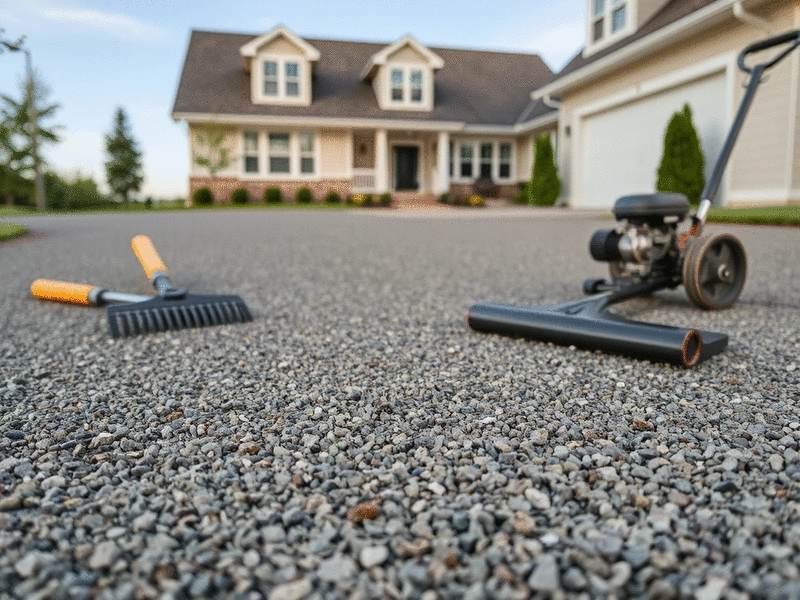
  • Clear Debris: Use a rake or blower to remove loose leaves and dirt.
  • Remove Vegetation: You can either pull it out by hand or use a garden hoe for stubborn roots.
  • Existing Materials: If you have an old driveway, consider breaking it up and disposing of it properly.

By starting with a clean slate, you set the stage for a successful installation. A clear area will not only make the job easier but also improve the final look of your driveway!

Leveling and Compacting the Sub-Base: Creating a Solid Foundation

Once the area is clear, it’s time to level and compact the sub-base. This step is vital for ensuring a solid foundation for your resin driveway. You’ll want to use materials like MOT Type 1 for this process.

  • Check Levels: Utilize a spirit level to check for any low spots that need filling.
  • Apply MOT Type 1: Spread the material evenly across the surface, aiming for a depth of around 100mm.
  • Compact the Base: Use a mechanical compactor to ensure the sub-base is firm and stable.

By creating a solid foundation, you can help prevent future issues like cracking or sinking. Trust me, this step is worth the time and effort! Understanding the various cost factors for resin driveways, including base preparation, can help you budget effectively for your project.

Worker compacting sub-base with a mechanical compactor for a resin driveway

Moisture Control: Ensuring Ideal Curing Conditions

Moisture control is essential for the curing process of your resin driveway. You want to ensure that the conditions are just right for the resin to set properly. Start by testing moisture levels in the existing surface.

  • Moisture Testing: Use a moisture meter to check the levels in the ground.
  • Weather Conditions: Avoid installation during rain or extreme humidity.
  • Surface Drying: Allow any moisture to evaporate before applying the resin.

By controlling moisture, you help guarantee a successful installation that will stand the test of time!

Edge Restraint Installation: Preventing Resin Spillage

Installing edge restraints is a key step to prevent resin spillage during the installation. These restraints help keep everything contained and ensure a clean finish. Here's how to do it:

  • Select Materials: Use materials like timber or concrete to create robust edges.
  • Install Properly: Place the restraints along the perimeter of the area, ensuring they are level and secure.
  • Secure with Stakes: If using timber, secure the restraints with stakes or screws to hold them in place.

This step is crucial for maintaining the shape of your driveway and avoiding messy spills that can ruin the aesthetic!

Final Preparations: Priming and Protection

Before applying the resin, it’s important to prime the surface and protect the edges. Priming helps enhance adhesion, while protecting the edges provides a clean border. Here are some steps to follow:

  • Apply Primer: Use a suitable primer recommended for the resin to ensure a good bond.
  • Protect Edges: Use painter's tape to mask off areas that shouldn’t be covered with resin.
  • Check for Dust: Ensure the primed surface is dust-free before moving on to the next step.

These final preparations are key to achieving a professional finish. You’ll be glad you took the time to do it right!

Cleaning the Surface: Essential Cleaning Agents and Techniques

Finally, it’s time to clean the surface before installation. A thorough clean ensures that any dirt or grease is removed, allowing the resin to adhere properly. Here’s how to do it:

  • Use Cleaning Agents: Choose effective cleaning agents like degreasers or pressure washing solutions.
  • Pressure Wash: If necessary, pressure wash the surface to remove stubborn grime.
  • Dry the Surface: Make sure the area is completely dry before proceeding with installation.

A clean surface is the last step in your preparation process, setting you up for a successful resin driveway installation!

Pro Tip

When clearing the area for your resin driveway installation, consider using a leaf blower for efficiency. Not only does it save time, but it also ensures that even the smallest debris is removed, paving the way for a flawless installation. A clean surface is your best ally for achieving a durable and visually appealing driveway!

Recap of Essential Steps for Successful Resin Driveway Preparation

Preparing your existing surface for a resin driveway installation is crucial for ensuring a lasting and beautiful outcome. Each step plays a vital role in achieving that perfect finish. Here’s a quick recap of the essential steps to remember:

  • Clearing the Area: Remove any debris or existing materials to create a clean workspace.
  • Leveling and Compacting: Ensure the sub-base is even and well-compacted for stability.
  • Moisture Control: Check moisture levels and consider weather conditions to avoid complications.
  • Installing Edge Restraints: Use proper materials to contain the resin and prevent spillage.
  • Final Preparations: Priming the surface and protecting edges ensures clean lines and a neat finish.
  • Cleaning the Surface: Use effective cleaning agents to remove any remaining contaminants.

By following these steps carefully, you set the stage for a resin driveway that enhances your home's curb appeal and functionality. Every detail matters, so taking the time to prepare thoroughly will pay off in the long run!

Frequently Asked Questions

Q: Why is surface preparation so important for a resin driveway?
A: Proper surface preparation is critical for ensuring enhanced adhesion of the resin, better drainage, and a longer lifespan for your driveway. It prevents issues like peeling, cracking, and sinking.
Q: What materials are typically used for leveling and compacting the sub-base?
A: MOT Type 1 is commonly used for leveling and compacting the sub-base. It's spread evenly and then compacted with a mechanical compactor to create a firm and stable foundation.
Q: How does moisture affect resin driveway installation?
A: Moisture can significantly impact the curing process of the resin. High moisture levels or installation during rain can lead to improper setting, affecting the durability and appearance of the driveway. It's crucial to test moisture levels and ensure the surface is dry.
Q: What are edge restraints and why are they necessary?
A: Edge restraints, typically made of timber or concrete, are installed along the perimeter of the driveway area to prevent resin spillage during installation. They help maintain the shape of the driveway and ensure a clean, defined edge.
Q: What are the final preparation steps before applying the resin?
A: The final steps involve priming the surface to enhance adhesion and protecting edges with painter's tape to ensure a clean border. It's also important to ensure the primed surface is dust-free.

Next Steps: Preparing for Installation or Seeking Professional Help

As you get ready for the installation, it’s essential to assess whether you feel confident in tackling the preparation yourself. If you have experience in home improvement, you may find it rewarding to dive into this project! However, if you’re unsure or the tasks seem overwhelming, it might be wise to consider hiring professionals. They can ensure that all steps are executed with precision, helping to avoid potential issues down the line.

At Resin Driveways Nottingham, we often recommend reaching out to local experts who can assess your specific situation and provide tailored advice. This way, you can rest assured that your driveway will be installed correctly, enhancing your home’s value and appearance.

Professional contractor discussing resin driveway installation plans with a homeowner

Engage with Us: Share Your Preparation Experiences

I’d love to hear from you! Have you tackled a resin driveway preparation before? What challenges did you face, and how did you overcome them? Feel free to leave your experiences or questions in the comments below. Your stories can inspire and help others in our Nottingham community looking to enhance their homes. For more inspiration on how different patterns can elevate your space, explore designing a seamless resin driveway.

Maintenance Tips for Your Resin Driveway: Ensuring Longevity

Once your resin driveway is beautifully installed, maintaining it is key to ensuring its longevity. Here are some practical tips to keep your driveway looking its best:

  • Regular Cleaning: Sweep away debris and wash the surface periodically to prevent staining.
  • Avoid Heavy Loads: Be cautious with the weight of vehicles parking on the driveway to avoid potential damage.
  • Address Issues Promptly: If you notice any cracks or signs of wear, tackle them immediately to prevent further damage.
  • Consider a Sealer: Applying a sealer can enhance protection against UV rays and weather effects.

By following these maintenance tips, you can extend the life of your resin driveway, ensuring it remains a stunning feature of your home for years to come!

Recap of Key Points

Here is a quick recap of the important points discussed in the article:

  • Clearing the Area: Remove any debris or existing materials to create a clean workspace.
  • Leveling and Compacting: Ensure the sub-base is even and well-compacted for stability.
  • Moisture Control: Check moisture levels and consider weather conditions to avoid complications.
  • Installing Edge Restraints: Use proper materials to contain the resin and prevent spillage.
  • Final Preparations: Priming the surface and protecting edges ensures clean lines and a neat finish.
  • Cleaning the Surface: Use effective cleaning agents to remove any remaining contaminants.
About !author

William Ashford

William Ashford is a Nottingham-based home improvement enthusiast and expert, passionate about enhancing property aesthetics and value through resin driveways. He shares practical advice to empower homeowners in making informed decisions about their outdoor spaces, blending lifestyle and functionality.


Popular Posts

Personalize Your Resin Driveway Today How to Personalize Your Resin Driveway with Custom Colours and Aggregate Choices to Match Your Home The true essence of a home often lies in its details, and your driveway is no exception. A well-desi
Negotiating Resin Driveway Costs Negotiating with Resin Driveway Contractors: Tips for Nottingham Homeowners to Get the Best Price Negotiating the best deal for a resin driveway can seem daunting, yet understanding the nuances of t
Understanding Resin Driveway Regulations Navigating Planning Permission and Regulations for Resin Driveways in Nottingham Understanding the various regulations and planning permissions for resin driveways can feel like nav
Seasonal Impact on Resin Driveways Seasonal Considerations Affecting Resin Driveway Costs and Longevity in Nottingham Considering enhancing your outdoor space? The right surface can significantly elevate your home's cu