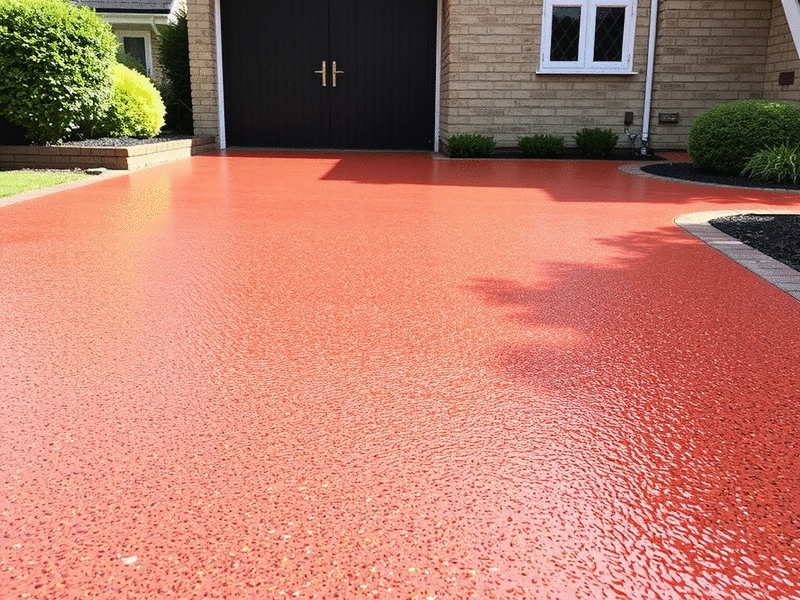
Poor Base Preparation
Uncompacted or unleveled ground leads to cracking and uneven surfaces over time. It compromises the driveway's stability.
Prevention: Solid foundation is essential.
Have you ever faced challenges during a home improvement project? Installing a resin driveway can be deceptively simple, but many homeowners fall prey to common mistakes. Understanding these pitfalls can save you time, money, and frustration.
Understanding and avoiding these common pitfalls is crucial for a durable and aesthetically pleasing resin driveway. Below, we highlight key problem areas and their corresponding solutions. For a comprehensive guide on the process, check out our resin driveway installation guide in Nottingham.
Uncompacted or unleveled ground leads to cracking and uneven surfaces over time. It compromises the driveway's stability.
Wrong proportions lead to sticky surfaces (too much resin) or poor bonding (too little). Affects durability and appearance.
Water pooling can cause damage and erosion. Neglecting drainage leads to costly repairs.
Premature use causes bubbling or cracking. Patience is key for proper resin curing and longevity.
When it comes to installing resin driveways, many homeowners unknowingly make mistakes that can compromise both the aesthetics and longevity of their driveways. I’ve seen this often in my work at Resin Driveways Nottingham. By understanding these common pitfalls, you can ensure your driveway not only looks great but also stands the test of time!
Let’s dive into some of the most frequent errors I encounter. These mistakes can significantly affect the quality and durability of your resin driveway:
Being aware of these issues is the first step toward avoiding them. Now, let’s break down each error to understand their impact.
Poor base preparation is a critical error that can lead to a host of issues. If the ground isn’t compacted or leveled properly, it may result in cracking or uneven surfaces over time. A solid foundation is essential to ensure that your resin driveway can withstand heavy traffic and weather conditions. To learn more about preparing your surface, read our guide on how to prep your surface for a resin driveway.
Have you ever walked on a surface that felt unstable? That’s often the result of inadequate base preparation!
Mixing the wrong proportions of resin and aggregate can severely affect the quality of your driveway. If there’s too much resin, it can lead to a sticky surface that attracts dirt, while too little resin may not bind the stones effectively. Quality control at this stage is crucial.
As you consider your options, remember that the right mix will not only enhance durability but also improve the overall appearance of your driveway.
Another common mistake is neglecting proper drainage solutions. Without adequate drainage, water can pool on the surface, leading to potential damage and erosion. Installing drainage channels or ensuring the correct slope can mitigate these issues.
Taking these steps can help maintain the integrity of your driveway and prevent costly repairs down the line!
Finally, rushing the drying process can lead to a myriad of problems, including bubbling or cracking. It’s important to allow sufficient time for the resin to cure properly. Patience is key here—don’t skip this step!
When I’ve spoken to clients about their experiences, they often regret not waiting long enough for the driveway to set, leading to issues they didn’t anticipate.
There are also several misconceptions about resin driveways that can mislead homeowners. For instance, some believe that all resin driveways are the same. In reality, different types of resin and aggregates can lead to significantly different outcomes.
Understanding these factors can help you make informed decisions and avoid unnecessary pitfalls. Let’s move forward to ensure your installation is a success!
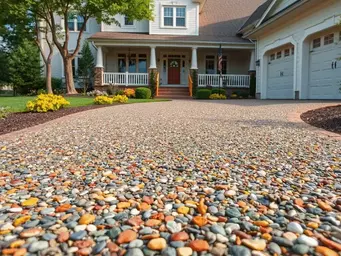
When planning your resin driveway installation, consider incorporating a variety of textures. Not only does this enhance visual appeal, but it also improves safety by providing better grip during wet conditions. Experimenting with different aggregate sizes and finishes can lead to a unique look that complements your home while prioritizing functionality!
To avoid the common mistakes that can compromise your resin driveway, it's essential to implement effective prevention strategies. As someone who has been immersed in the world of resin driveways, I can’t stress enough how using quality materials plays a critical role in achieving durability and aesthetic appeal. Here’s a closer look at what you need to consider.
When it comes to installing a resin driveway, the quality of materials you choose significantly impacts the final result. Investing in high-quality resin and aggregates can save you from headaches down the road. Not only do these materials enhance the visual appeal of your driveway, but they also ensure longevity and resistance to wear. You can learn more about cost factors for resin driveways to understand the investment in quality.
By prioritizing quality materials, you can significantly reduce the risk of early deterioration and enhance the overall value of your home. Let's dive deeper into two essential components: the right resin and aggregate selection.
Not all resins are created equal, and selecting the right type is vital for a successful installation. When considering your options, think about the following:
Choosing wisely here can make a noticeable difference, both in appearance and durability. Next, let’s shift our focus to aggregate selection, which is just as crucial.
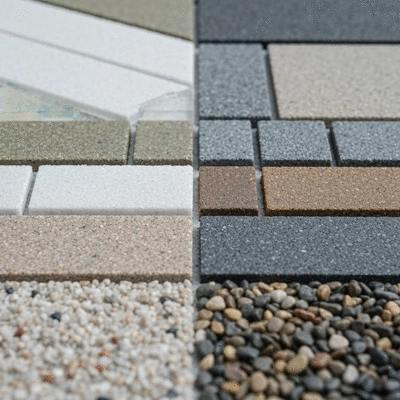
Your choice of aggregate can dramatically affect the driveway's final look and functionality. Here’s what to keep in mind when selecting aggregates:
By carefully selecting your aggregates alongside the right resin, you’ll set a solid foundation for a driveway that not only looks stunning but lasts for years to come!
Safety should never be an afterthought, especially when it comes to driveways that could become slick when wet. Incorporating anti-slip additives can provide better grip, making your driveway safer for both your family and visitors. Consider these tips:
Ensuring safety adds to the peace of mind and overall value of your home. Now that we’ve covered materials, let’s move on to essential installation techniques.
Proper installation techniques are the backbone of a successful resin driveway. From checking weather conditions to ensuring a clean finish with edging techniques, these practices can prevent many common pitfalls. Let’s explore these techniques in detail!
Weather plays a pivotal role in the installation process. Here are some key pointers to remember:
By closely monitoring the weather, you can ensure that your driveway installation goes smoothly. But don’t forget about the finishing touches!
Edging is not just about aesthetics; it also serves to keep your driveway intact. Here’s what you should consider:
Good edging can really elevate the look of your driveway. Lastly, let’s talk about surface preparation techniques that lead to optimal results.
Before applying the resin, proper surface preparation is crucial. Consider these steps to achieve a flawless finish:
Surface preparation sets the stage for a successful installation, resulting in a beautiful and durable resin driveway. For more insights into how different elements affect the overall project, consider comparing resin driveway quotes to understand the value of professional installation.
Here is a quick recap of the important points discussed in the article:
William Ashford is a Nottingham-based home improvement enthusiast and expert, passionate about enhancing property aesthetics and value through resin driveways. He shares practical advice to empower homeowners in making informed decisions about their outdoor spaces, blending lifestyle and functionality.